Hospice’s Bad Reputation Amid Fraud Crisis Will Hurt Patients, Industry Experts Warn
While acknowledging that changes must be made to the hospice industry, health policy researchers and providers worry that negative attention and the potential for overly punitive regulations could put patients at risk.
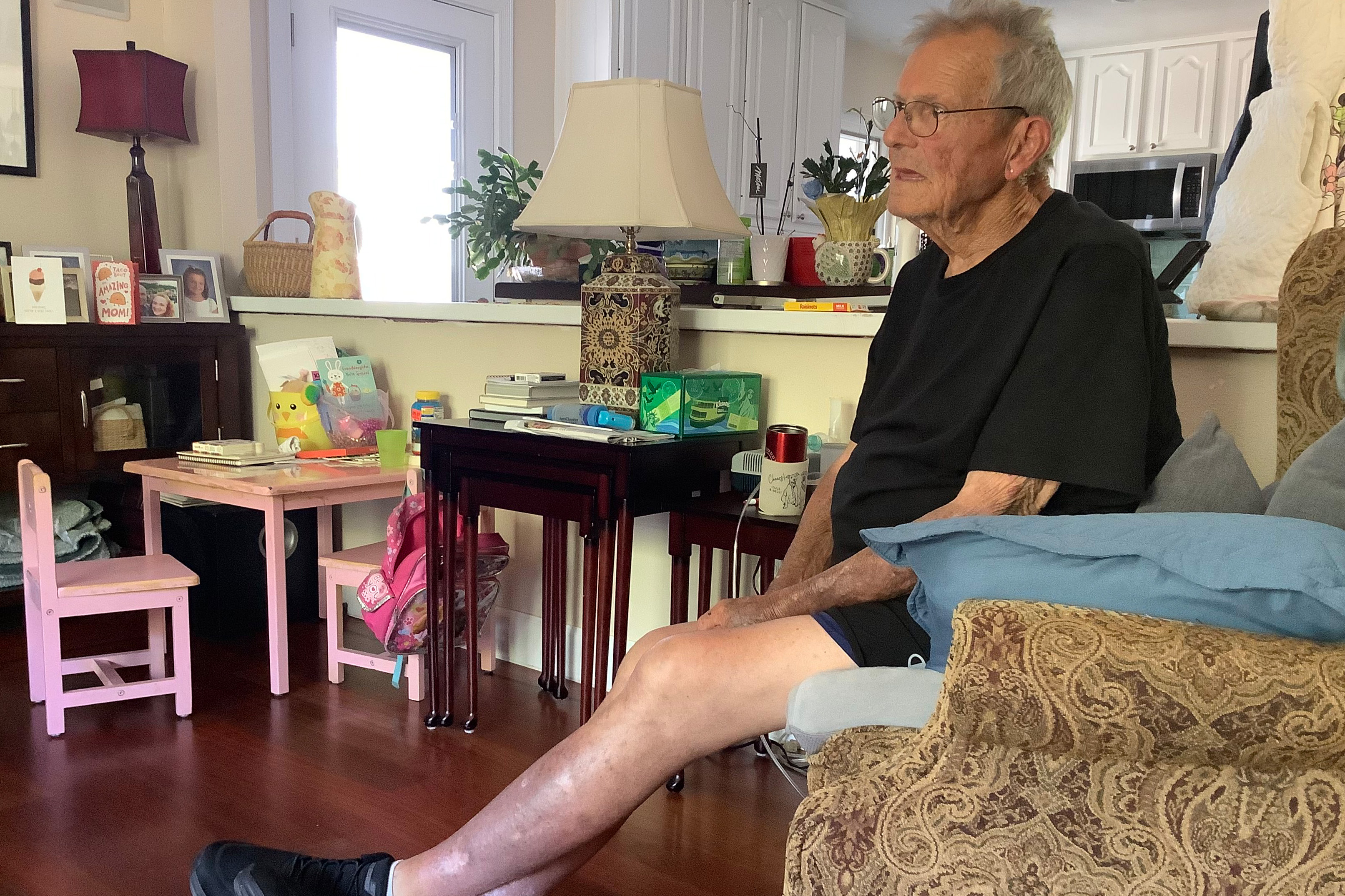
Mark Vantrease, a 76-year-old former truck driver, is one of many who have been provided hospice care in his final months, despite the industry's recent struggles with fraud allegations. His experience with hospice staff has been positive, but the general reputation of the industry has been tarnished due to allegations of unchecked fraud in California.
Policymakers and health experts worry that this negative perception could deter patients from seeking the care they need, putting both patients and taxpayers at a disadvantage.
The Centers for Medicare & Medicaid Services (CMS) has imposed restrictions on hospice providers, particularly in states with a high risk of fraud, including California, Arizona, Georgia, Nevada, Ohio, and Texas. These measures aim to ensure patient safety and quality care while addressing the concerns arising from the fraudulent activities within the industry.
While the majority of hospice providers are committed to delivering high-quality care, concerns have been raised about a subset of providers exploiting patients and the system for financial gain. These fraudulent acts have been made possible due to insufficient licensing regulations and inadequate oversight. The industry is particularly vulnerable to fraud because of the rapidly aging population and the increasing demand for hospice services, as more individuals are projected to enter Medicare.
Nonprofit hospices have traditionally dominated the industry, but a shift towards for-profit hospices has been observed, particularly in California where about 94% of hospice providers are now for-profit. For-profit operators tend to make more money per patient, on average, compared to their nonprofit counterparts. Despite these financial advantages, the goal should be to protect the compassionate and meaningful nature of hospice care, rather than inadvertently eroding patients' trust in the industry.
Written by urgent.news from KFF Health News's reporting — not their text. Machine-written — may contain errors; check the original before relying on it.