Magnesium isoglycyrrhizinate alleviates alcohol-associated liver disease through targeting HSD11B1
While magnesium isoglycyrrhizinate (MgIG) is a clinically approved therapy for alcohol-associated liver disease (ALD), its precise molecular targets and mechanisms remain uncharacterized. This study aimed to define MgIG’s hepatoprotective actions in chronic-binge ALD mouse models and ethanol/palmitic acid-exposed AML-12 hepatocytes. Through an integrated strategy encompassing RNA sequencing,…
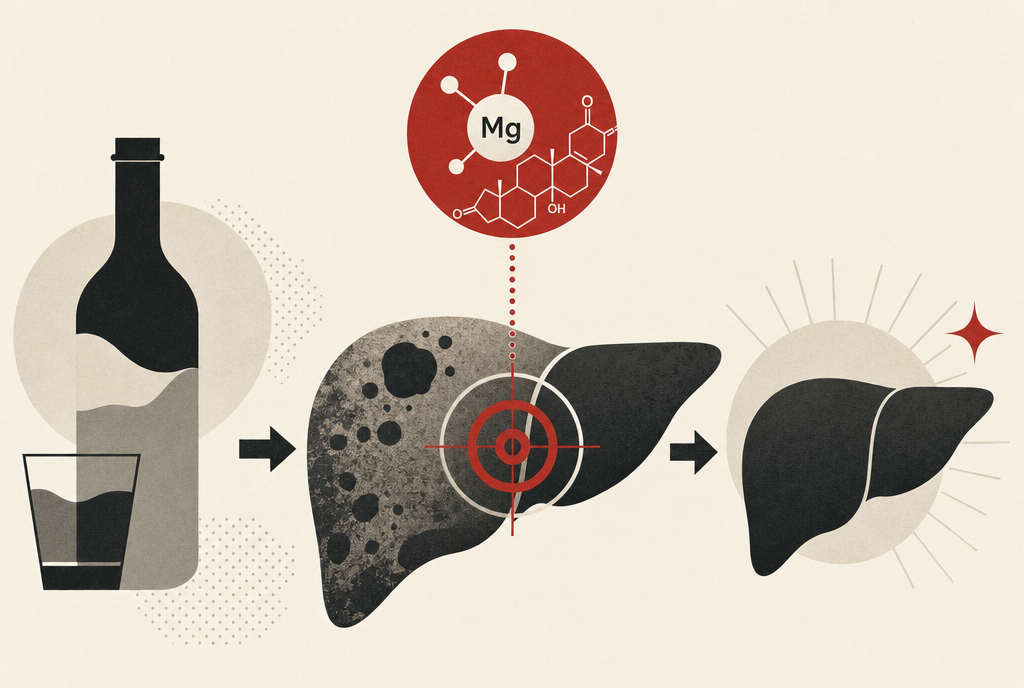
A recent study has uncovered that magnesium isoglycyrrhizinate (MgIG), a clinically approved treatment for alcohol-associated liver disease, operates through a specific molecular target. By employing a combination of RNA sequencing, molecular docking, and microscale thermophoresis, researchers identified that MgIG directly binds to hydroxysteroid 11-beta dehydrogenase 1 (HSD11B1) at residue 187. This binding was supported by molecular dynamics simulations.
In the context of the study, MgIG demonstrated significant efficacy in alleviating alcohol-induced liver injury. In vivo, the treatment led to reduced liver damage, decreased hepatic steatosis, and normalization of liver-to-body weight ratios. On a cellular level, MgIG effectively reduced lipid accumulation, inflammation, and apoptosis.
The researchers further discovered IDI1 as a key downstream effector of MgIG. Through genetic manipulations specific to hepatocytes, they confirmed that MgIG modulates the SREBP2–IDI1 axis, which in turn suppresses lipogenesis, inflammatory responses, and apoptotic pathways. This study reveals HSD11B1 as a novel direct molecular target of MgIG, elucidating the therapeutic mechanism through the HSD11B1–SREBP2–IDI1 signaling axis.
This discovery significantly contributes to the understanding of ALD pathogenesis. The findings not only confirm the clinical utility of MgIG but also present a promising new therapeutic target for alcohol-associated liver disease.
Written by urgent.news from eLife's reporting — not their text. Machine-written — may contain errors; check the original before relying on it.