Laboratoria’s Mariana Costa Empowers Women in Tech
In shaping her career, Peru native Mariana Costa has asked herself a question: What can I do to make life better for women in Latin America? The answer she landed on was training them for tech jobs. Mariana Costa Employer Laboratoria Title Co-founder and president Alma Maters London School of Economics; Columbia Such positions pay well and are in demand. And for too long, women across the region…
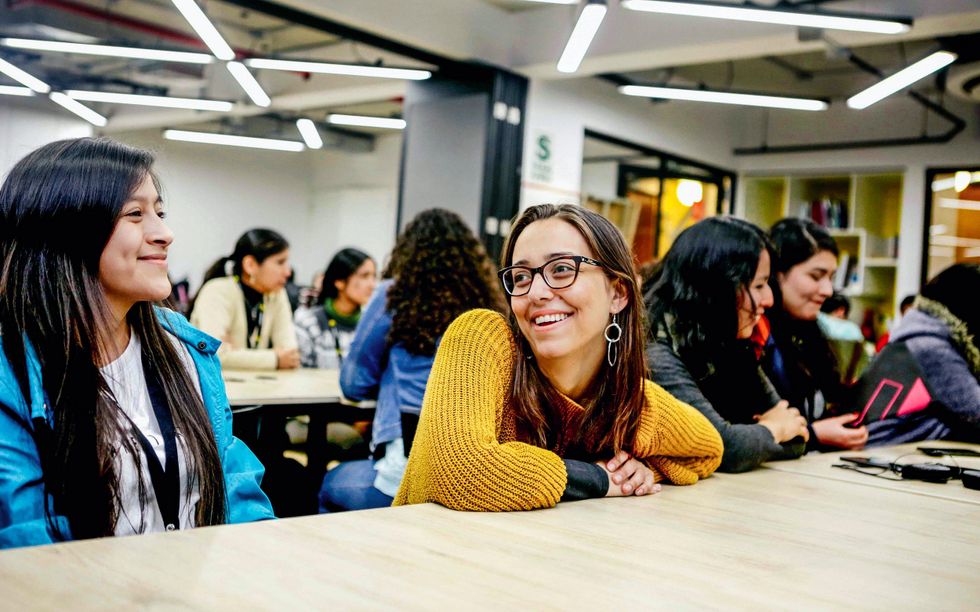
Peruvian native Mariana Costa channeled her early questions about socioeconomic inequality in her home country into building a tech training program for women across Latin America. Costa founded Laboratoria, a nonprofit organization based in Miami, to empower women with the skills and connections needed to secure well-paying tech jobs.
The organization has trained thousands of women in 11 Latin American countries and placed graduates at major companies. In recognition of her work, IEEE awarded Costa its President's Award for her "distinguished leadership and contributions to the betterment of society." Costa's journey began in Lima, where she witnessed stark divides along economic, ethnic, and geographic lines.
Growing up in a financially stable household, she recognized early on that many Peruvians lived in separate realities due to systemic inequality. This realization led her to pursue higher education, earning a master's degree in public administration and development from Columbia University. It was while working in Washington, D.C., for the Organization of American States that Costa reconnected with her husband, a software engineer who used technology to support social causes.
This exposure to the tech space shifted her perspective, as she realized that women were largely absent from the field. Motivated by her desire to address these disparities, Costa returned to Lima with her husband and founded Laboratoria. The organization has since become a leading voice in workforce equity and tech education for women, earning Costa the IEEE President's Award.
Written by urgent.news from IEEE Spectrum's reporting — not their text. Machine-written — may contain errors; check the original before relying on it.