Bones Buried in Italian Necropolis Offer Clues on Ancient Diets and Society Before the Romans
Learn what buried bones reveal about the diet of ancient cultures in Italy, shedding light on mobility, gender inequality, and social status.
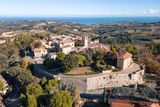
In Italy, the pre-Roman Picene people's dietary habits and social structures can be gleaned from the bones found in the Novilara necropolis. A new study published in the Journal of Archaeological Science reveals that the Picenes consumed cereal grains as staples, supplemented by animal proteins, contradicting the notion that marine resources were integral to their diet.
The isotopic analysis of 148 individuals' bones and teeth showed that men had a higher intake of animal protein, reflecting gender disparities prevalent in pre-Roman Italy. Additionally, the bones indicate a high level of mobility among the Picene population, with 1.4 to 6.4 percent originating from distant regions, suggesting extensive cultural exchange.
The researchers also noted that lavish grave goods did not necessarily correlate with an individual's social status, as the treatment of the deceased may have been influenced by community traditions rather than personal wealth or power.
Written by urgent.news from Discover Magazine's reporting — not their text. Machine-written — may contain errors; check the original before relying on it.