Artists visualise environmental fragility and resilience on New York’s Governors Island
A new public work by Alan Michelson and an exhibition by Leslie Wayne explore climate change and fragile ecosystems
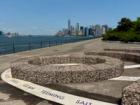
When Dutch settlers first arrived in New York Harbor during the early 17th century, they encountered an estuary rich with oyster reefs and land dotted with the remnants of Lenape culture. As more Europeans settled, the island became a contested space, displacing the Lenape and erasing their middens. Now, a new art installation opens on Governors Island, called The Oyster, which honors the island's Indigenous legacy.
Created by Mohawk artist Alan Michelson (Six Nations of the Grand River), the sculpture features shells and resembles a contemporary Indigenous geoglyph. Visitors can walk through and sit on the structure, surrounded by texts reflecting on the oyster's history and environmental significance. Commissioned by More Art in partnership with the Billion Oyster Project and Governors Island Arts, the project is part of an initiative to center Indigenous voices and environmental histories during the 250th anniversary of US independence.
Michelson's work examines the intersections of history, memory, and place, and the installation offers an opportunity to bring these conversations into the public realm. Governors Island, shaped by industry and pollution, symbolizes the oyster's story. Today, organizations like the Billion Oyster Project are restoring reef systems, recycling shells, and cultivating oysters to clean the water and increase coastal resilience.
Michelson's installation will close in November, with some components returned to the water to contribute to revitalization efforts. The installation, along with other art on the island, uses art to address the climate crisis and revitalize the island's Indigenous legacy.
Written by urgent.news from The Art Newspaper's reporting — not their text. Machine-written — may contain errors; check the original before relying on it.