NVIDIA Harnesses Vera CPU to Speed Up Design of Next-Generation CPUs and GPUs
The complexity of modern chip design continues to grow as engineering teams work to develop increasingly sophisticated CPUs, GPUs and AI systems. To help meet that challenge, NVIDIA is collaborating with industry leaders Cadence and Synopsys to optimize critical electronic design automation (EDA) applications for the NVIDIA Vera CPU. NVIDIA is now deploying Vera across […]
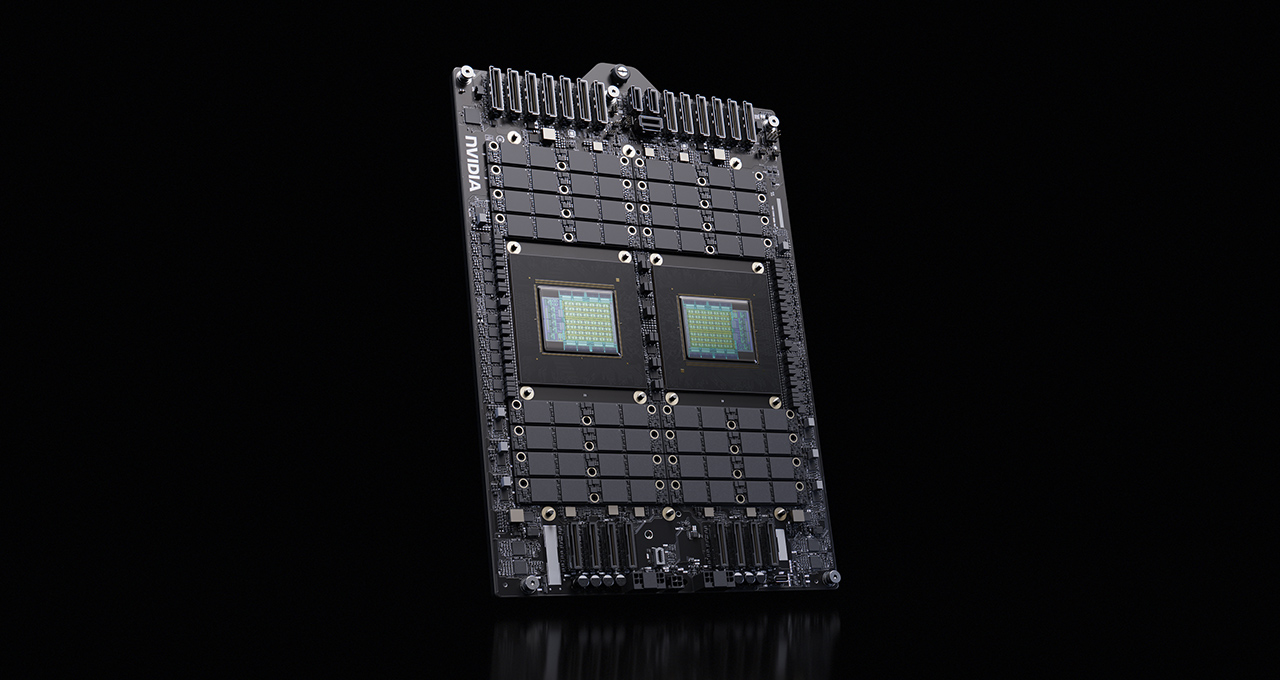
NVIDIA is leveraging its new Vera CPU to expedite the design of upcoming CPUs and GPUs. Modern chip design complexity necessitates advanced Electronic Design Automation (EDA) tools, but CPU performance is critical in certain stages. NVIDIA is collaborating with Cadence and Synopsys to optimize key EDA applications for Vera. The company is deploying Vera across EDA workflows used in developing next-gen NVIDIA processors, highlighting early results showing up to 1.5x higher performance for certain workloads.
Vera's custom NVIDIA Olympus CPU cores, LPDDR5X memory subsystem, and second-generation NVIDIA Scalable Coherent Fabric work together to deliver high performance, memory bandwidth, and low latency. This strategy aims to improve overall design cycle performance, with NVIDIA planning to build on Vera with the upcoming Rosa CPU powered by the Rigel core.
Written by urgent.news from NVIDIA Blog's reporting — not their text. Machine-written — may contain errors; check the original before relying on it.