Can the EU Ban on Destroying Unsold Goods Actually Work?
Companies from luxury groups to high-street giants are rethinking what to do with unsold goods in the EU as its ban on destroying excess inventory takes effect. Critics say loopholes in the rules could cause problems.
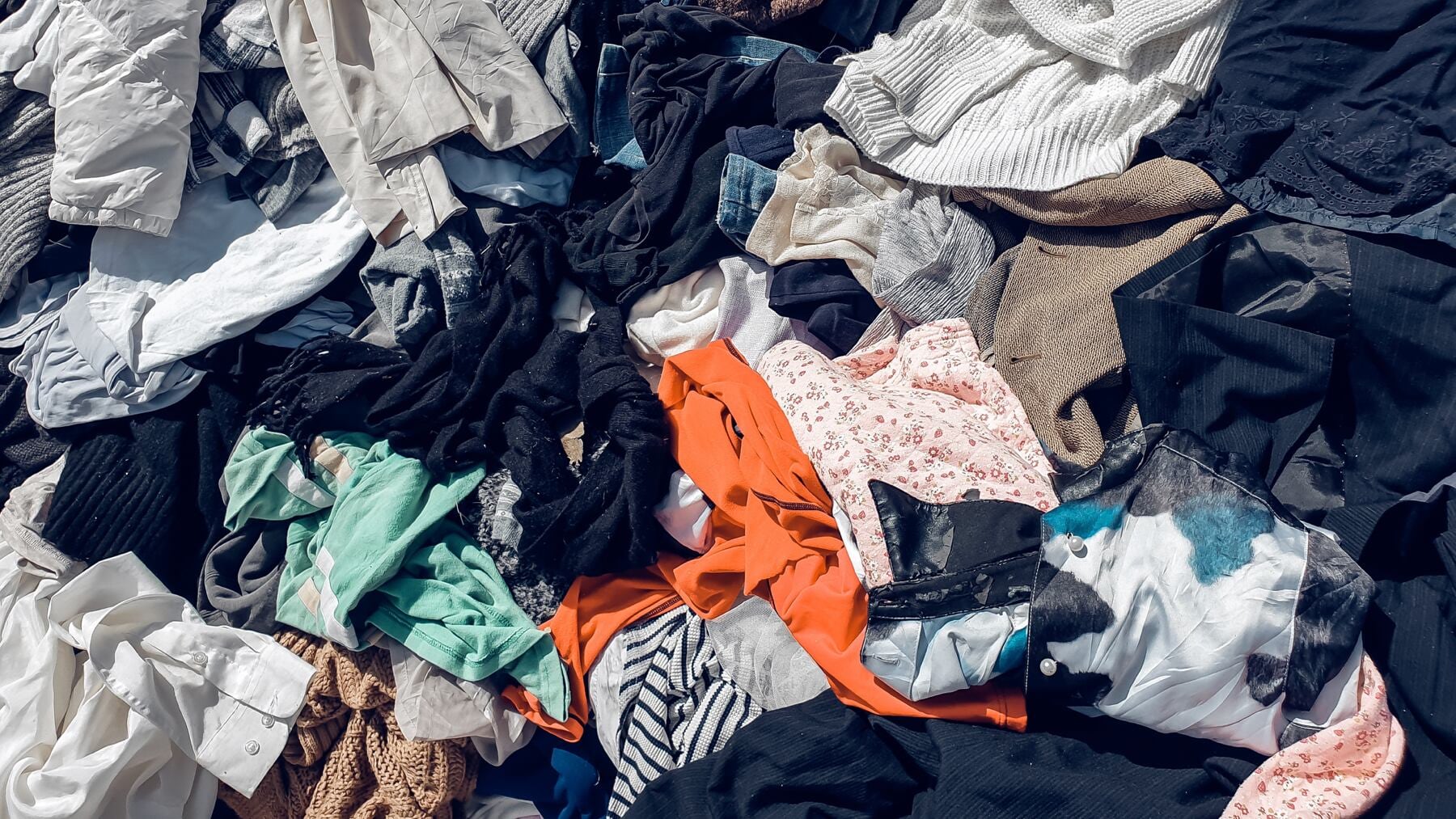
The European Commission has enacted fresh regulations that will compel medium and large fashion companies to cease disposing of unsold clothing and footwear. This latest action from Brussels aims to combat textile waste. Luxury brands LVMH and Kering reported significant write-downs of unsold inventory in the previous year, highlighting the complexity surrounding the issue.
Global secondhand clothing trade involves the shipment of millions of tons of discarded garments annually. Nonprofits such as The Or Foundation and Vestiaire Collective are advocating for regulations that would benefit the recipient countries of these secondhand clothes. Shayeza Walid, Senior Editorial Associate at The Business of Fashion, focuses on sustainability, climate accountability, supply chain, and labor issues in the fashion industry.
She contributes to BoF's Global Markets and UK coverage. With an Aug. 19 deadline approaching, Canadian and US negotiators are striving to avert 50% tariffs on Canadian goods. Despite ongoing discussions, substantial work remains to resolve major trade disputes. Retail sales dipped by 0.6% last month, following a 0.2% increase in June, but clothing store receipts rose by 1.9%, likely propelled by back-to-school shopping. The recent controversies surrounding Phia provide valuable lessons for fashion startup founders.
Written by urgent.news from Business of Fashion's reporting — not their text. Machine-written — may contain errors; check the original before relying on it.