India’s river linking project could cause an explosion of invasives, threatening native ecosystems
Research Matters Staff Writer(s) 25 Jul 2026 Researchers are warning that one of India’s most ambitious engineering projects could unintentionally trigger an ecological crisis across the country. The National River Linking Project (NRLP), designed to solve water scarcity by connecting surplus rivers to deficit ones, may trigger an expansion of invasive alien species. According to a new study,…

A groundbreaking study has warned that India's ambitious National River Linking Project could unintentionally unleash an ecological crisis by enabling the spread of invasive alien species. Researchers from the Ashoka Trust for Research in Ecology and the Environment (ATREE) and Yenepoya (Deemed to be University) analyzed how the proposed network of 15,000 kilometers of canals and 3,000 reservoirs could impact India's freshwater ecosystems.
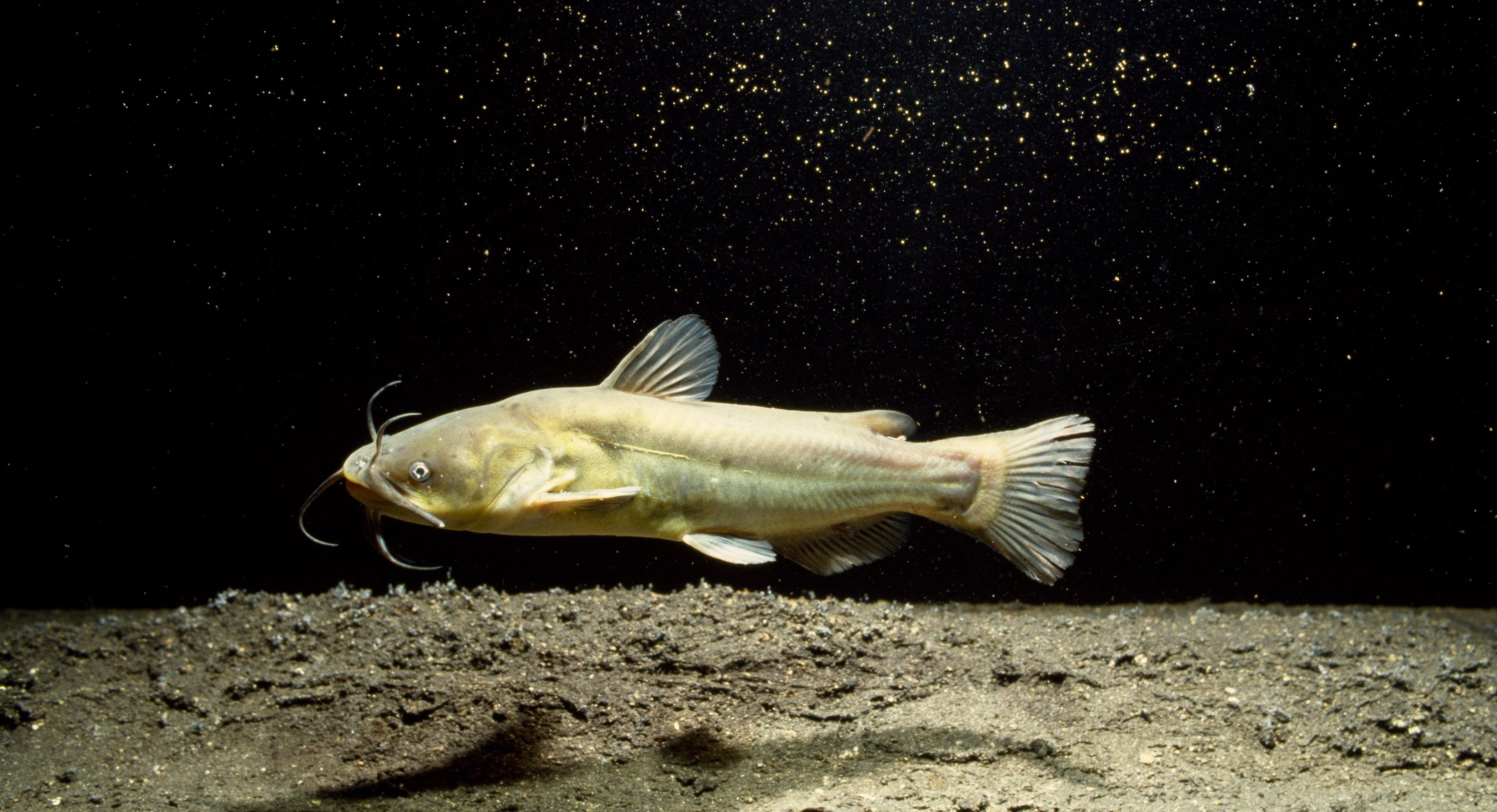
The study highlights that these alterations could trigger the invasion of 15 notorious species, including plants, fish, molluscs, and reptiles, into previously isolated habitats. These ecosystems are particularly vulnerable in areas rich in biodiversity, such as the Krishna, Godavari, and Western Ghats rivers. The invasive species include the Water hyacinth, African catfish, Common carp, Guppies, Suckermouth catfish, Acute bladder snail, and the Red-eared slider.
The research team used species distribution modelling to predict where these invaders could thrive based on climate data. The findings reveal a significant overlap between the proposed river-linking routes and the habitats most attractive to invasive species. This mapping indicates that India's most precious biodiversity hotspots may become the very sites where invasions take root.
The study emphasizes the urgent need for ecological considerations in infrastructure planning. While the National River Linking Project promises benefits like improved irrigation and hydroelectric power, the potential loss of native species could have devastating socio-economic consequences for millions of people who rely on healthy rivers for survival.
The researchers argue that integrating invasion ecology into the planning stages of national infrastructure projects is crucial for long-term sustainability and resilience, especially as the country faces the challenges of climate change.
Written by urgent.news from Research Matters India's reporting — not their text. Machine-written — may contain errors; check the original before relying on it.