Team uses AlphaFold AI to redesign gene-editing proteins to make them safer
Google's AlphaFold can help ID what parts of a gene editing protein enable mistakes.
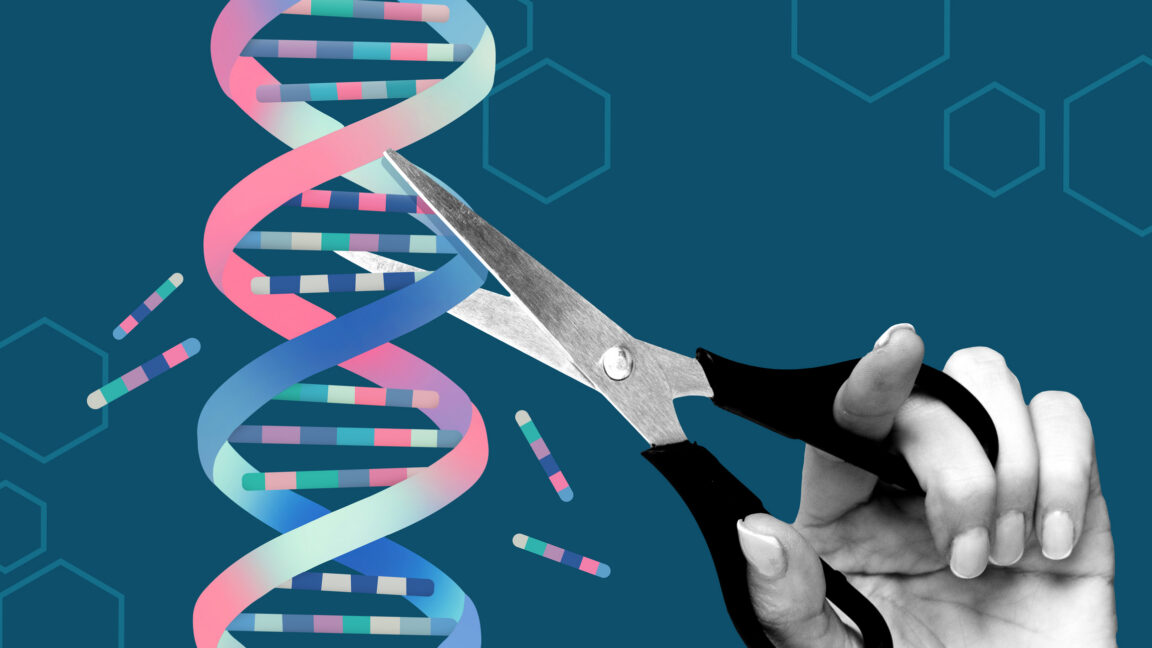
After decades of advancements in DNA-targeting systems, gene editing therapies are now being developed. However, safety concerns arise due to the complexity of the human genome, which increases the likelihood of off-target effects during editing. These off-target effects occur when the editing system inadvertently alters the wrong DNA sequence, even though the probability is low.
To tackle this issue, researchers have employed AI-powered protein-folding software, specifically AlphaFold, to enhance the safety of gene-editing proteins. The modified AlphaFold was used to pinpoint crucial regions of the proteins that contribute to off-target effects; subsequent adjustments to these areas were made to minimize potential risks.
This innovative approach to altering protein structures based on AI predictions has been detailed in a recent issue of Nature.
Written by urgent.news from Ars Technica Science's reporting — not their text. Machine-written — may contain errors; check the original before relying on it.