Q&A: From climate sceptic to Chile’s voice for Antarctica
Gino Casassa, director of the Chilean Antarctic Institute, reflects on his four decades on the ice and the challenges facing Antarctica The post Q&A: From climate sceptic to Chile’s voice for Antarctica appeared first on Dialogue Earth .
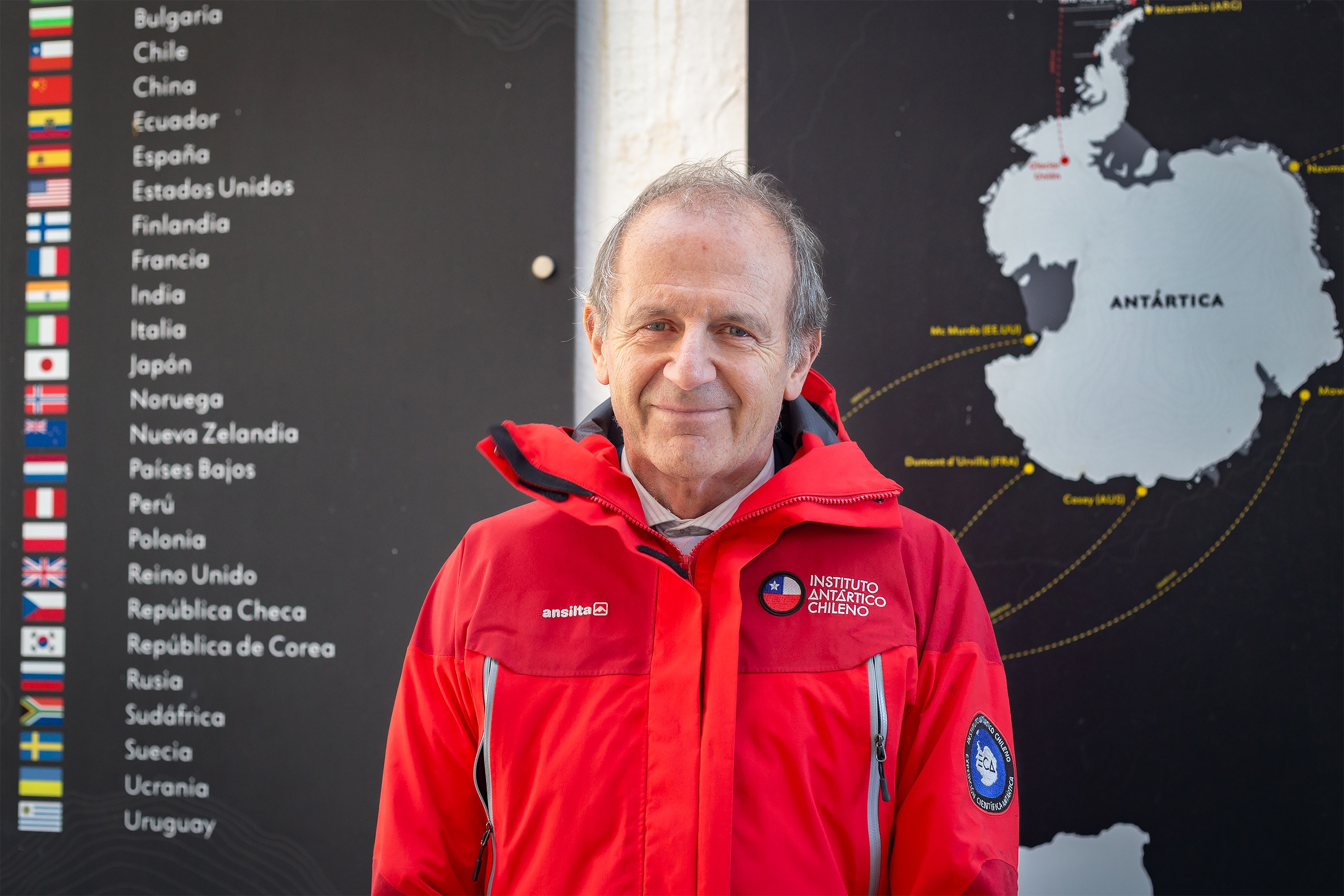
Chilean glaciologist Gino Casassa has dedicated over four decades to studying Antarctica, transitioning from initial skepticism about human-caused climate change to now firmly believing it to be primarily a man-made phenomenon. In his current role leading the Chilean Antarctic Institute (INACH), he observes stark changes on the continent, including rising sea levels, increased tourist numbers, and escalating geopolitical tensions.
Casassa reflects on the evolution of scientific understanding of Antarctica and the challenges facing the Antarctic treaty system in a conversation with Dialogue Earth.
Casassa recalls his early skepticism in the early 1980s, a time when some debated whether Earth might be entering a cooling period. Despite this, he remained skeptical due to insufficient evidence. However, by the late 1990s, the evidence became irrefutable, leading him to become convinced that global warming is primarily caused by human activities. This shift was solidified through observations of rapid changes in West Antarctica and the Antarctic Peninsula, where ice loss could occur within decades.
Key moments in his career included research in the Amundsen Sea, where data indicated this region was particularly vulnerable to ice loss. The Larsen B ice shelf collapse in 2002, where centuries-old ice vanished in weeks, marked a turning point in understanding the instability of Antarctic ice. Casassa emphasizes that once a certain temperature threshold is reached, the ice melts regardless of political debates, underscoring the urgency of addressing climate change.
Antarctic policy has also undergone significant changes, with the Antarctic Treaty now comprising 58 participating countries, reflecting growing international recognition of Antarctica's global importance. The treaty system, established in 1959, has evolved to accommodate new players like China, which now operates five research bases and plans a sixth. While geopolitical interests persist, Casassa advocates for maintaining the spirit of scientific cooperation that has defined the treaty for over six decades.
Regarding geopolitical interests potentially clashing with environmental goals, he notes that while concerns exist, especially regarding krill fishing, Chile and Argentina have been advocating for a large marine protected area (MPA) in the western Antarctic Peninsula. This proposal, supported by scientific evidence, faces opposition from countries prioritizing economic interests.
Casassa remains committed to advancing environmental protection and recognizes the growing role of Antarctic tourism, which brings significant economic benefits to Chile.
Written by urgent.news from Dialogue Earth's reporting — not their text. Machine-written — may contain errors; check the original before relying on it.