The hidden cost of Myanmar’s rare earth mines
As the U.S. races to bypass China, the global hunger for critical minerals is financing warlords and poisoning Myanmar's borderlands.
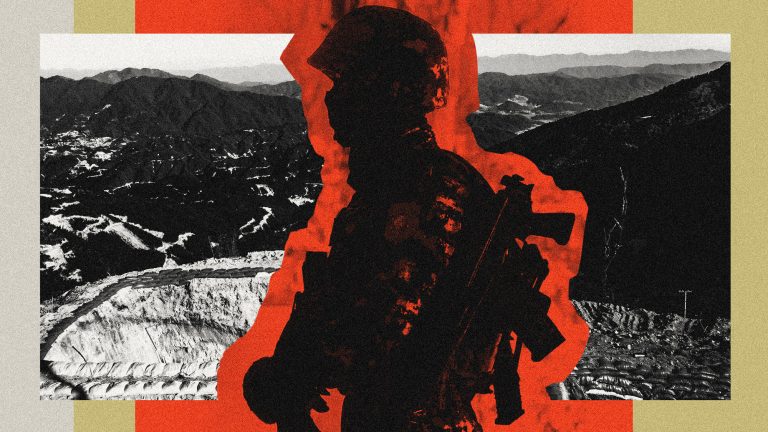
Min left central Myanmar for its mountainous eastern border with China, where he found work at a rare earth mining site. His native Sagaing Region was witnessing an armed uprising and mandatory conscription, causing a mass exodus. Min's brother, who was inexperienced with heavy machinery, died in a landslide on the first day of work.
Min, unsure of the exact cause of death, continues working despite the dangers, as options are scarce. The 17 rare earth elements are crucial for wind turbines, electric vehicles, and advanced weaponry, making them "critical minerals" with geostrategic value. Myanmar, the world's leading supplier of heavy rare earths, faces a disproportionate burden from this destructive industry.
Chinese companies extract these resources in autonomous regions controlled by ethnic armies, paid for by the profits. The mined material is then brought into China, where it is processed and mixed with other sources before being exported globally. With limited public information and hidden workingsites, news of environmental devastation, poisoned rivers, and toxic farmland has only gradually emerged, revealing a damning picture of the human and ecological cost of Myanmar's rare earth mining industry.
Written by urgent.news from Rest of World Tech's reporting — not their text. Machine-written — may contain errors; check the original before relying on it.