Cash Still Rules, But the Economy Also Depends on Digital Transactions. Why Is That?
Walk into any major city in the world today, and you will find two parallel realities operating side by side. In one, people hand over physical currency (coins and notes) to pay for coffee, market produce, or a bus fare.

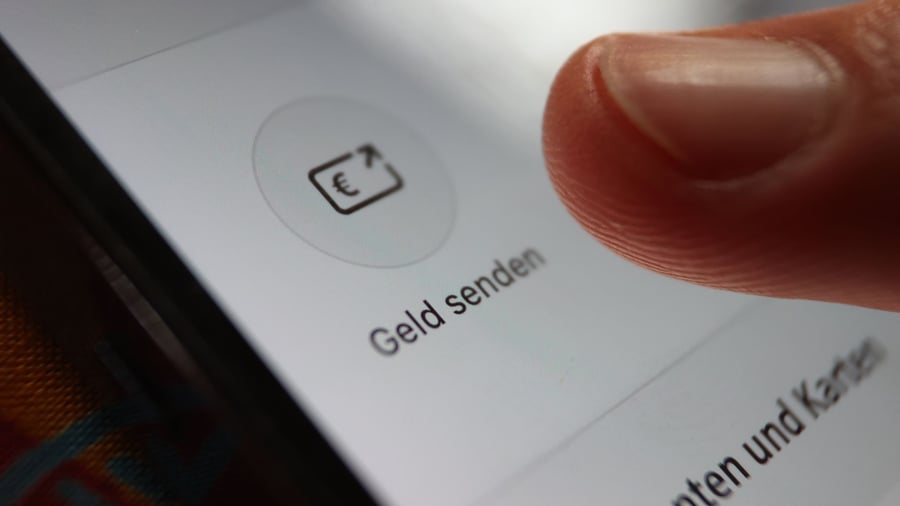
Across major cities worldwide, two distinct payment systems coexist. In one, individuals exchange physical currency—coins and bills—for goods and services. In the other, transactions are completed instantly through mobile screens, contactless cards, or QR code scans. Neither system is waning; instead, they are expanding into areas previously exclusive to the other. This balance reflects fundamental aspects of economic operation, population distribution, and varying individual needs from a payment system.
Over the past two decades, economic and industrial development has consistently produced a pattern: wherever monetary exchange occurs physically, a digital alternative has emerged. The retail sector provides a clear example. Shopping at a physical mall once necessitated visiting a specific location, browsing offerings, and paying at a counter.
However, this model has diminished as e-commerce platforms offered wider product selections, easier price comparisons, and home delivery convenience. Companies like Amazon and MercadoLibre in Latin America, alongside numerous regional platforms, have demonstrated that for a significant portion of the population, the physical retail trip has become optional.
Grocery shopping also experienced a transformation. Supermarket chains launched delivery applications, while independent delivery platforms entered markets across North America, Europe, and increasingly in South American cities. What was once an entirely physical activity requiring cash or card at checkout is now conducted on mobile screens for many consumers.
This trend is evident in other specialized industries as well. Twenty years ago, the casino gaming sector was synonymous with physical venues: casino floors, card tables, and slot machines located in purpose-built buildings. Today, live roulette for UK players or slot games for Canadians are almost entirely available online, accessible anywhere with an internet connection.
The common thread across these examples is the convenience and accessibility that drove digital adoption.
The continued dominance of cash as a primary payment method in many economies warrants explanation. Several factors contribute to this persistence, and they are significant. Privacy is one such factor. Cash transactions leave no digital trail, appealing to individuals wary of surveillance or profiling, or those who prefer not to have their spending monitored by financial institutions or governments.
Reliability is another crucial factor. Digital payment systems rely on connectivity, hardware functionality, and operational networks. Any failure—due to power outages, system downtime, or poor mobile coverage—results in failed transactions. Cash operates consistently, regardless of technical issues. In rural areas across Latin America and other emerging regions, this reliability is not merely an advantage but a practical necessity.
Financial inclusion also plays a pivotal role. A substantial portion of the global population remains unbanked or underbanked, lacking access to formal bank accounts. Without access to digital payment systems, these individuals face barriers to participation. For them, cash remains not just preferred but the only viable option.
The infrastructure enabling digital transactions did not emerge spontaneously; it was established through infrastructure development, regulation, and deliberate policy decisions by governments, central banks, and private payment networks over several decades. Global card payment networks, such as Visa and Mastercard, provided foundational rails on which most digital transactions still operate.
Bank transfers through systems like SWIFT facilitated cross-border payments, albeit slowly and expensively. The pace of adoption accelerated with the emergence of real-time payment systems built at the national level, often as public infrastructure rather than private market solutions. Brazil's PIX, launched in 2020, exemplifies this success.
PIX enables instant bank transfers between individuals and businesses at any time, at no cost to end users. A key factor was universality; every Brazilian bank account was required to participate, eliminating fragmentation that typically hinders payment innovation. Trust, security, and the limits of digital adoption are critical for digital payment systems to displace cash.
Trust is not universal and remains a challenge in some cases. Cybersecurity incidents—fraud, data breaches, phishing attacks—regularly remind users of the risks associated with digital transactions that physical cash does not carry. While the financial industry has developed sophisticated fraud-detection and consumer-protection mechanisms, the perception of vulnerability persists and influences behavior.
Older populations, in particular, exhibit higher rates of cash preference due to security concerns and because they formed their financial habits in a pre-digital era. The deeply embedded behavioral patterns around money do not change simply because alternative systems become available. Lastly, the digital divide adds a further layer of complexity.
While digital payment systems offer unprecedented convenience, there remains a significant portion of the population without access to the necessary technology or digital skills. Bridging this divide is essential for the broad adoption of digital payment systems and ensuring equitable economic participation.
Written by urgent.news from MercoPress's reporting — not their text. Machine-written — may contain errors; check the original before relying on it.