Global central banks spearhead renewed gold rush
Gold is on the rise again, as a confluence of economic and political dynamics spurs demand from investors around the world, especially one cohort: central banks.After stalling around $4,000 an ounce f...
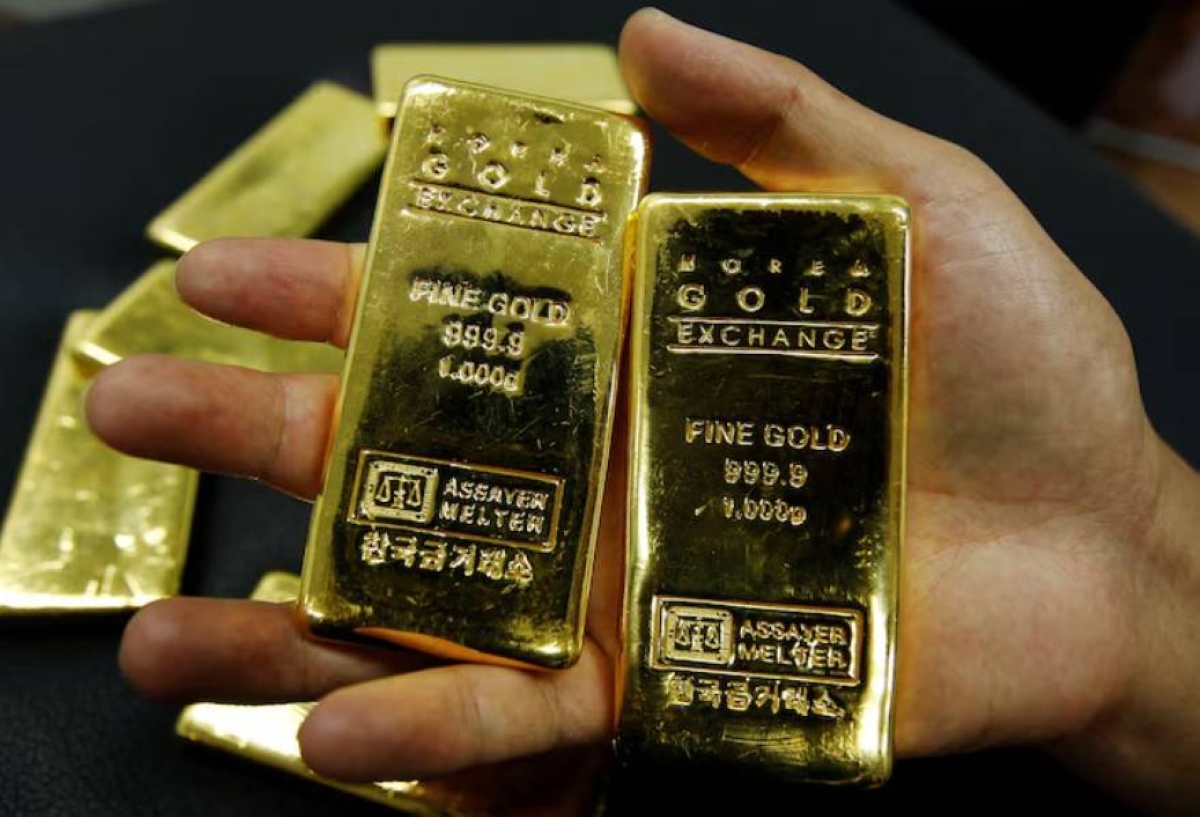
Global central banks have reignited interest in gold following a surge in its price, driven by a combination of economic and geopolitical factors. After languishing around $4,000 an ounce for weeks, bullion has surged by $400, or 10%, since the beginning of August and may be on track for its best monthly performance in a century.
The Federal Reserve's dovish stance on interest rates, weak employment data, and minimal inflation have dampened expectations of rate hikes and weakened the dollar, both of which are favorable for gold. However, the underlying appeal of gold has also been reinforced by increasingly unstable geopolitical tensions and doubts about the Federal Reserve's credibility.
Notably, the escalating US-Iran war and the dwindling prospects of a peace deal have rekindled the perception of gold as a valuable reserve asset. Simultaneously, concerns about the Federal Reserve's independence and Chair Kevin Warsh's commitment to fighting inflation have intensified. These factors have contributed to investors' reduced trust in the bond market, with yields on 10-year Treasury notes reaching their highest level in 18 months and those on 30-year bonds and inflation-protected bonds reaching their highest since 2007 and 2008, respectively.
Consequently, central banks have continued to trim their holdings of U.S. Treasuries, marking the lowest levels since 2012.
The confluence of these developments presents a compelling case for central banks to reevaluate their gold holdings. In the second quarter alone, central banks netted purchases of 289 tons, more than five times the volume of the previous three months, setting a record high for a second quarter. Deutsche Bank analysts estimate that central bank demand during the same period amounted to a record $45 billion, potentially broken shortly.
In June, a WGC survey showed that 45% of central banks plan to augment their gold holdings over the next 12 months, a figure backed by recent official-sector purchases. China, in particular, has been adding significantly to its gold reserves, with a net increase of 20 metric tons in July, lifting its total reserves to a record 2,377.5 tons.
While central banks' cautious nature and the volatility of gold mean that a clear picture of their renewed interest in bullion will not emerge for some months, the allure of gold as a hedge against inflation, currency fluctuations, and geopolitical uncertainties appears poised to persist.
Written by urgent.news from Gulf Times Business's reporting — not their text. Machine-written — may contain errors; check the original before relying on it.