Oil prices fall as Iran ceasefire talks fuel hopes of an end to the conflict
Oil prices extended losses after plunging over the previous two trading sessions, as easing geopolitical tensions and expectations of improving oil supply continued to weigh on the market on Aug. 5
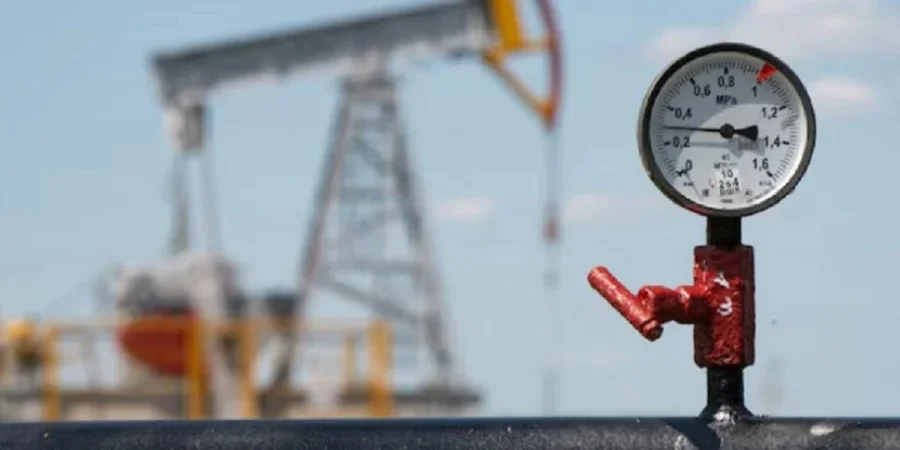
Oil prices continued to decline on Aug. 5 as geopolitical tensions eased and expectations of increased oil supply fueled market optimism. Brent crude futures slipped 92 cents, or 1.2%, to $78.44 a barrel, while U.S. West Texas Intermediate crude futures fell $1.07, or 1.4%, to $74.70 a barrel. Both benchmarks have dropped more than 12% since the start of the week.
On Aug. 4, Qatar reported progress in ceasefire talks, further dampening oil prices. Tehran, however, rejected U.S. President Donald Trump's assertion that negotiations were already underway. The primary hurdle appears to be Iran's insistence on some degree of control over the Strait of Hormuz, and whether the U.S. would stand firm against such a demand.
IG analysts highlighted the ongoing impasse in their assessment. President Trump's claim that the U.S. would destroy infrastructure in retaliation for Iranian attacks on vessels in the Hormuz Strait intensified tensions overnight into July 23. U.S. forces retaliated with a 12th consecutive night of strikes on Iran. On July 28, renewed tensions in the Red Sea caused oil prices to peak for more than six weeks.
Despite further escalation in the Middle East, oil prices fell on July 30. On Aug. 3, a single statement by Trump sparked another price movement.
Written by urgent.news from New Voice of Ukraine's reporting — not their text. Machine-written — may contain errors; check the original before relying on it.