Friendship with benefits: Why Trump is helping Japan rescue the yen
The United States and Japan have jointly intervened to support the Japanese yen's value. This unprecedented action aims to stabilize the currency after its significant decline. Washington's involvement signals broader economic and financial system concerns beyond Japan. The intervention seeks to protect US Treasury markets and American exporters from negative impacts.
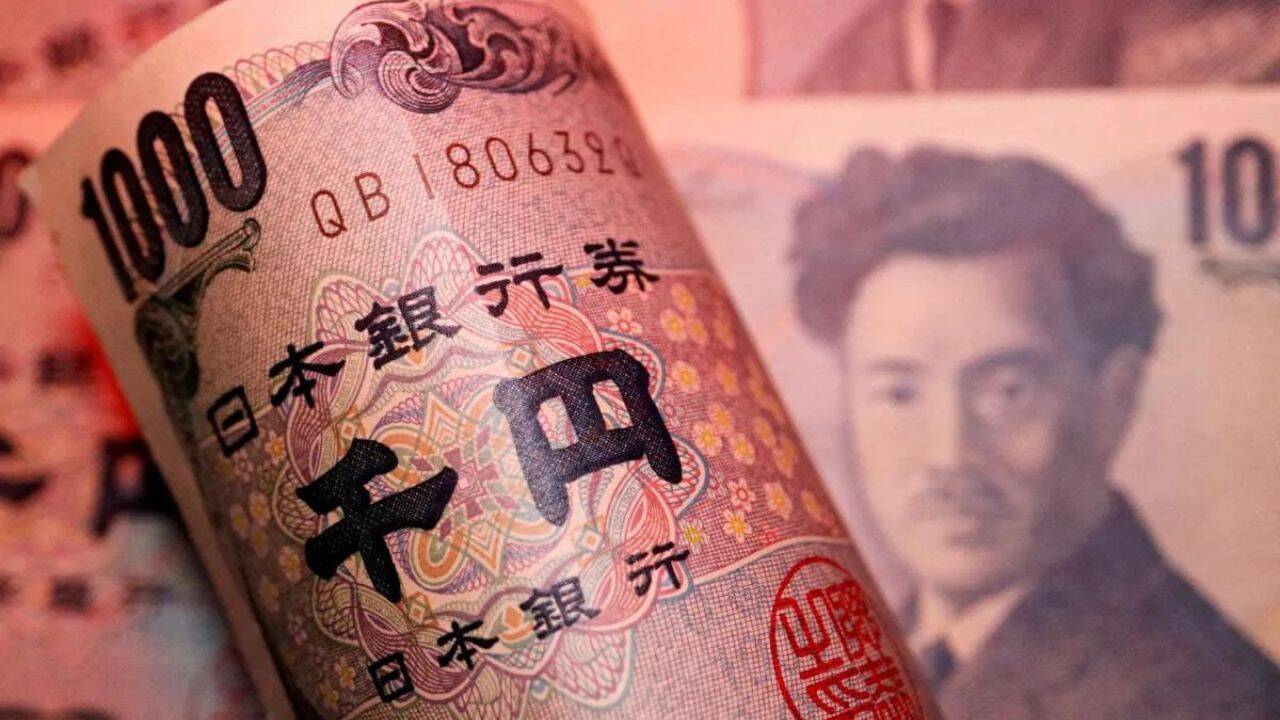
In a rare joint effort, the United States has assisted Japan in countering the yen's rapid decline to a 40-year low against the dollar. This unprecedented intervention, which saw Japan spend up to $36.58 billion to buy yen, signals the US's concern over the currency's fall beyond Tokyo's economic issue. The operation, carried out by both governments, aims to protect US Treasury markets, American exporters, and the wider Asian financial system.
Japanese Finance Minister Satsuki Katayama confirmed the joint intervention with the US Treasury Department, stating that Tokyo is not hesitant to conduct further coordinated interventions if necessary. President Donald Trump hailed the decision as assistance to a valued ally, emphasizing the strong financial ties between the two nations. He also highlighted the potential benefits for the global economy.
However, the intervention carries broader implications for the US. Japan holds an overwhelming majority of US government debt, with holdings surpassing $1.1 trillion. An aggressive intervention to defend the yen could force Japan to sell US Treasuries, potentially causing bond prices to drop and yields to rise. This would result in higher borrowing costs for the US government, especially at a time when long-term Treasury yields are already under pressure due to inflation concerns.
To counter these potential risks, the Federal Reserve's standing repo facility for foreign monetary authorities offers a line of defense. This facility allows Japan to temporarily exchange Treasury securities for dollars instead of selling bonds outright. Treasury Secretary Scott Bessent has indicated that the US might consider expanding access to this backstop in the coming months.
The move by the US Treasury marks a new era of interventionist currency policy, as the agency takes a stance against a market trade that conflicts with its interests. Analysts see this as the emergence of a more proactive US approach to forex markets, warning speculators against selling the yen and potentially influencing other currencies. This development signals a shift in the US's currency policy and highlights the interconnectedness of global financial markets.
Written by urgent.news from Times of India's reporting — not their text. Machine-written — may contain errors; check the original before relying on it.