Which Screen Is the ‘Good Screen’ Now?
Instagram TV brings the endless scroll to your television.
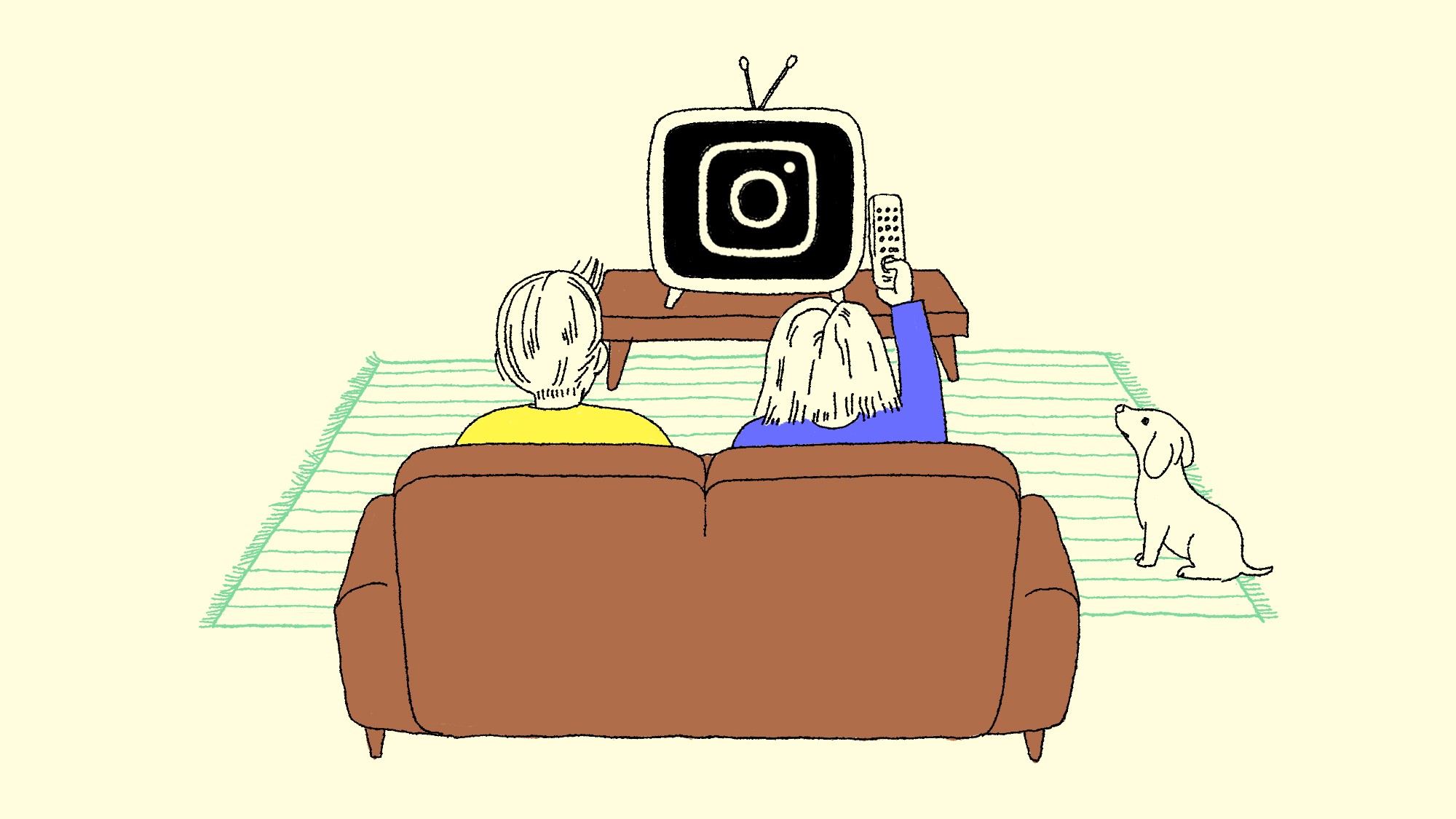
The phrase "good screen versus bad screen" originated as a joke about the difference between a personal laptop and a work desktop computer, but it has evolved in recent years, with smartphones being labeled as the "bad screen" and televisions as the "good screen." This shift coincided with the increased reliance on smartphones during the coronavirus lockdowns and the perceived wholesome nature of television.
Instagram, aiming to compete with YouTube and Netflix, has launched a stand-alone service for streaming devices. The company sees the TV as its "next frontier" and is expanding the service with new features to facilitate "friends and family watching together." The app allows users to create themed channels based on their interests, enabling a collaborative viewing experience.
The author of this article tested the TV app by watching her husband's Instagram feed on their living-room television. While initially hesitant, her husband agreed, and they found the experience enjoyable, especially when they laughed together at a video featuring a father teaching his son to bunt a baseball. However, the author noted that not all videos would be suitable for sharing with loved ones, as the recommendation algorithms sometimes suggest content that might be uncomfortable for some viewers to witness.
Experts, such as Professor Jonathan Gray from the University of Wisconsin, acknowledge that scrolling has always had a social component, but he expressed skepticism about the desire to share every bit of one's Instagram feed with family and friends. He also pointed out that the app might display unexpected content, potentially causing discomfort in the presence of others.
Instagram spokesperson Christine Pai confirmed that both the mobile and TV apps use the same recommendation system, with a horizontal video preference for better display on the TV screen. The app's channels feature aims to turn the private act of scrolling into a collaborative activity, turning the "shame" of scrolling into a more enjoyable shared experience.
Written by urgent.news from The Atlantic's reporting — not their text. Machine-written — it may contain errors, so check the original before relying on it.