Has Gen Z Saved—Or Just Changed—Movies?
There’s a more complicated reality beneath the cheery headlines.
Sometime after Jack Black's "chicken jockey" line in the 2025 film A Minecraft Movie and before The Odyssey sparked aspect-ratio debates, Hollywood felt validated—and potentially saved—by Gen Z. Trade publications and mainstream outlets celebrated the news: Zoomers were coming of age and supporting American cinema. Their theater attendance allegedly surpassed that of older generations; their preferences in video-game franchises and low-budget horror evidently drove the market.
These optimistic headlines largely stemmed from a single Fandango report conducted in January. In a survey of 7,000 adults in the United States, Gen Z respondents stood out: 87% had watched at least one film in theaters over the past year; the average Zoomer had seen seven. Compared to Gen X (70%) and Gen Y (6.1), this surge in theater attendance was notable.
However, the source notes that Fandango's respondent pool skewed towards movie enthusiasts, with 5,091 having attended at least one film in the previous year.
The seemingly robust surge in Gen Z's box office influence raises questions. The youngest Zoomers are entering high school (making first independent purchases) and the eldest are nearing their 20s (reaching career milestones). Many are in the income-generating "spending season." Yet, the amplified fanfare around these figures gains context from the past few years' turmoil.
The COVID-19 pandemic, followed by writers' and actors' strikes hampering production, left industry observers fearing Gen Z was a lost demographic with fewer new things to watch and more reasons (like streaming) to stay indoors.
Theatrical films require capturing younger audiences, crucial for future older audiences. Paul Dergarabedian, a senior Rentrak analyst, highlighted the industry's belief that people would continue going to the movies. Fandango's study, released before CinemaCon, reassured industry stakeholders that theatrical attendance would persist.
However, the broader picture is more nuanced. Kevin Goetz, CEO of Screen Engine, cautioned against attributing theatrical's revival solely to Gen Z. "I wouldn't proclaim victory quite yet," he stated. While other surveys confirm strong youth turnout, the percentages are less dramatic—Pew found in a summer 2024 survey that 67% of 18-to-29-year-olds attended theaters in the past year.
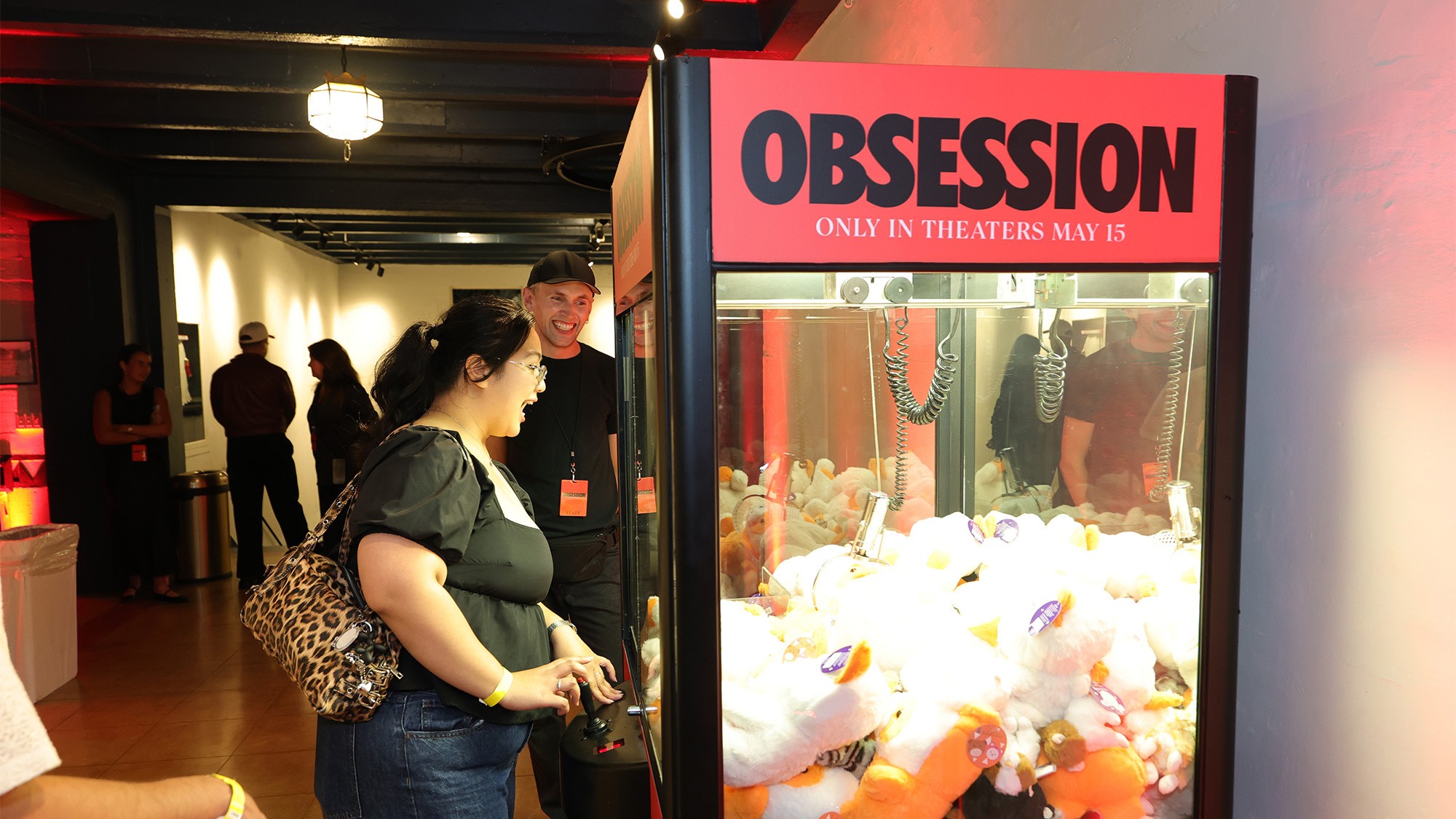
The recent box office success of Backrooms and Obsession showcased YouTube auteurs as bankable directors, attracting fresh-faced crowds. However, even with such attendance, this year's box office is unlikely to reach pre-pandemic heights. Non-moviegoing populations increased from 24% in 2019 to 30% in 2024. Those who do attend go less frequently—U.S. and Canadian theaters sold about two tickets per capita in 2025, compared to nearly half in 2002.
Surveys from less enthusiastic sources also indicate that despite attendance recovery from pandemic lows, Gen Z sees fewer movies than previous youth generations. In 2007, 18-to-29-year-olds went to an average of nine films annually, compared to 4.3 in 2025, according to Gallup data.
As Gen Z's moviegoing frequency declines, their habits increasingly align with the wider moviegoing population. Matthew Liebmann, Vista Group's chief product, innovation, and marketing officer, noted that kids today don't behave differently from older people. The data suggests a broader behavioral shift. Moviegoing once combined habit with spontaneity; teens, couples, and friends regularly visited the multiplex and chose shows once inside.
Now, patrons plan visits in advance, focusing solely on whether to go. This transition from routine hangout to major outing forced theaters to adapt. Many now offer diverse experiences—cruise lines, trivia, bingo, bocce, pickleball courts, ropes courses, even axe-throwing. Some theaters have introduced luxury recliners with heating and cooling settings, multicourse prix fixe menus, or hot dining options.
Lobbies treated as special destinations now reflect the experience. However, the core cinema elements have evolved. To retain Gen Z attention, theaters must offer larger screens and sumptuous seating.
Written by urgent.news from The Atlantic's reporting — not their text. Machine-written — may contain errors; check the original before relying on it.