Asia needs deeper energy markets if it’s going to achieve its AI ambitions
Energy security and computing power are becoming highly interdependent. Asia's supply of both is more fragile than its ambitions assume.
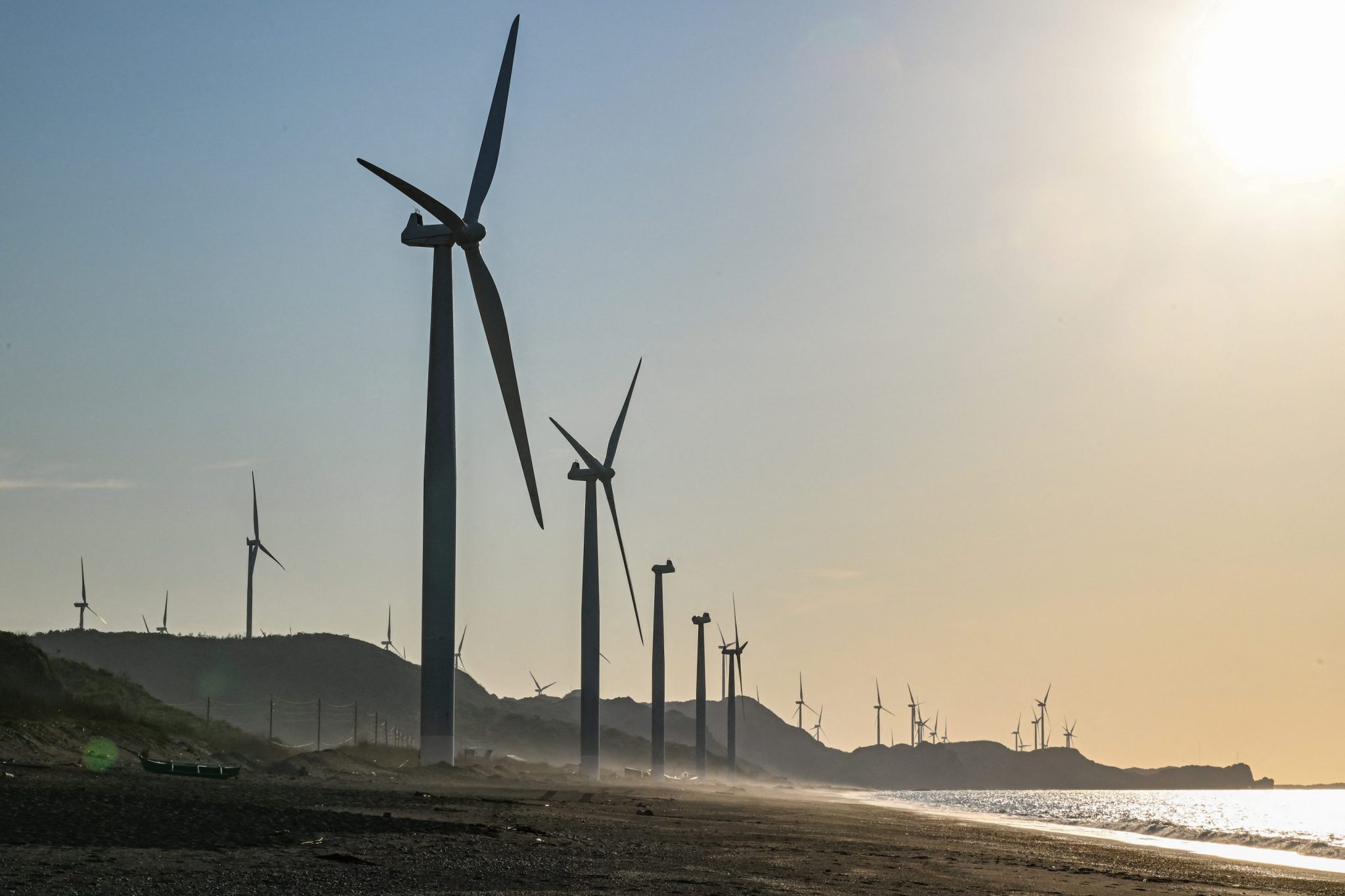
Asia's energy security hinges on the Strait of Hormuz, a waterway beyond its control, with potential conflict repercussions beyond fuel pumps. To avoid losing its share of the AI value chain, the region must develop deeper, more liquid electricity networks. Major Asian economies have formal AI masterplans, with Japan allocating a 370 trillion yen ($2.3 trillion) budget for AI and chips over the next 15 years.
Data center power demand in Asia-Pacific is set to surge by 165% from 2023-30. However, much of the region's impressive megawatt figures are "bragawatts," slow to translate into real energy. Grid upgrades and storage investments are needed to accommodate intermittent renewables, which are typically built far from demand centers.
According to the International Energy Agency's Southeast Asia Outlook, grid and storage investment in 2025 was just $13 billion, far below the $50 billion annual requirement through 2050. Higher fuel prices and energy insecurity may also prioritize other needs over electricity supply for data centers. The U.S. is a cautionary example, with up to half of planned projects blocked or delayed by local opposition in 2024.
Asia's plan-to-delivery gaps are particularly acute in Malaysia and India, where grid delivery lags hinder AI ambitions. As AI euphoria drives markets, the gap between promised and feasible capacity widens. Copper prices remain high, assuming surging data center construction demand, while transformer costs are two to three times pre-2020 levels.
If interconnection queues grow like in the U.S. and Europe, the mismatch between announced and delivered capacity could trigger a boom-bust cycle. Singapore, Malaysia, and South Korea are implementing regulations requiring data center developers to plan for battery storage and curtailment management alongside grid impact assessments.
This may slow down Asia's AI build-out, even as the U.S. continues with $4 trillion in data center construction through 2028. Delayed Asian operators mean lost compute, talent, and capital, potentially deploying elsewhere. To attract investment and ease dependence on imported oil and gas, Asia needs liberalized, more transparent energy markets.
Most Asian electricity systems rely on traditional, vertically integrated, state-owned utilities, with limited third-party trading. However, Japan's power futures market is rapidly growing, and India's power exchange now runs day-ahead and term-ahead markets. Marex, where the reporter works, contributes to liquidity growth in Japan's power derivatives market.
In New Zealand, Marex provided an OTC trading platform for super-peak electricity contracts. The goal is to implement instruments and platforms allowing generators, industrial users, and investors to hedge and price electricity confidently, similar to global commodity markets.
Written by urgent.news from Fortune's reporting — not their text. Machine-written — it may contain errors, so check the original before relying on it.